The Protein That Started It All
We know that familiar feeling in the restaurant industry when a single menu item takes on a life of its own. Customers form an attachment to a specific flavor profile, and suddenly, it drives a massive portion of daily sales. Our team experienced exactly this phenomenon with one particular meat preparation.
Sweet Pork: The Secret Recipe Behind Our Most Popular Protein really did start as a quiet addition to the lineup.
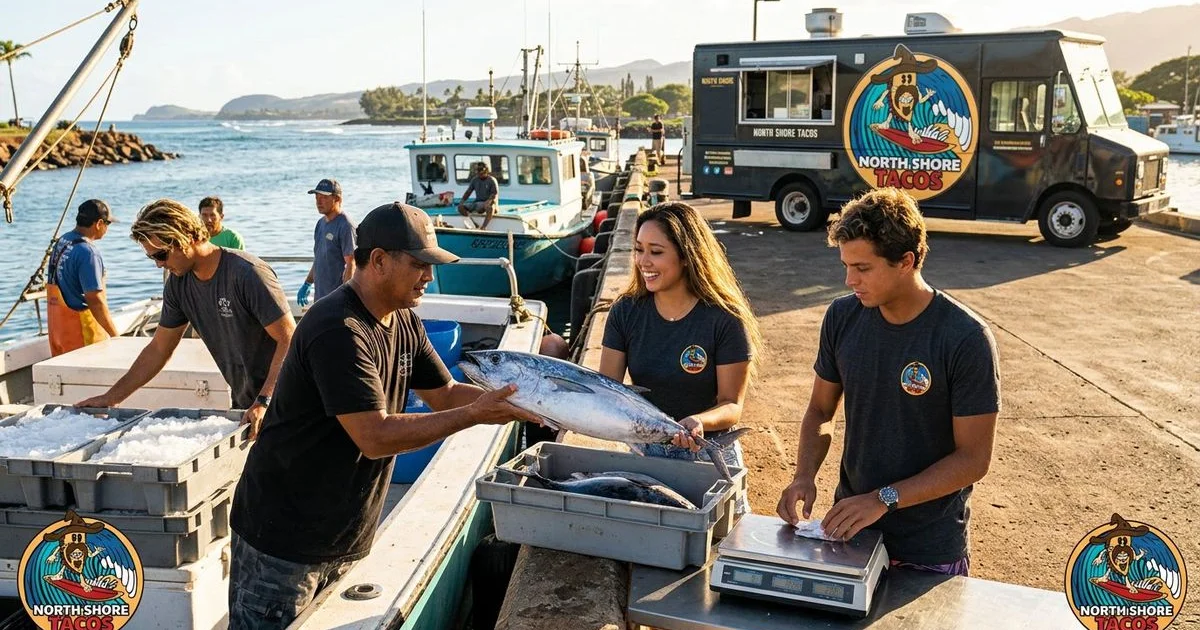
We initially built our reputation on seafood, eventually earning a number one rating for fish tacos from Sunset Magazine. People traveled up the Kamehameha Highway specifically for that fresh catch, but our kitchens soon noticed diners returning the very next day for the pork. We are going to walk through the exact science, the flavor development, and the slow-cooking technique that makes this dish work.
Roots in Carnitas Tradition
Classic Mexican cooking methods heavily influence this dish, though the recipe adapts to our local Hawaiian environment. Traditional carnitas requires cooking a pork shoulder in its own rendered fat at a low temperature for hours. We aim for an impossibly tender texture that pulls apart effortlessly.
The US Mexican food market is projected to hit $23.38 billion by 2026, driven heavily by this demand for authentic regional comfort foods. Our founder, Joey Fullmer, grew up eating authentic carnitas at taquerias across Southern California and Baja. He knew from the day North Shore Tacos opened in 2010 that a slow-cooked pork option would anchor the menu.
”The secret to great fusion is respecting the anchor ingredient. You have to nail the traditional carnitas texture before you can introduce Hawaiian sweetness.”
We quickly realized a straight traditional preparation did not perfectly align with our desired Hawaiian fusion identity. A fusion menu requires blending Baja techniques with local island ingredients.
Our kitchen needed a way to respect the carnitas heritage while adding a distinctly Pacific twist. The solution required leaning into a specific type of sweetness.
Building the Recipe
Our early development phase in the Hau’ula kitchen was completely chaotic. Testing different sugar levels, spice blends, and cooking times took months of daily trial and error.
We tossed out batches of meat that tasted more like dessert than a savory taco filling. Some trays felt too much like generic pulled pork with raw sugar sprinkled on top.
The Sugar Breakthrough
Our major breakthrough happened when the kitchen changed how the sweetener interacted with the meat. Sugar applied as a finishing glaze often burns or sits heavily on the palate.
We solved this by building a complex braising liquid where dark brown sugar acts as a core structural ingredient. This sugar combines with a very specific spice blend to balance the flavor profile.
- Garlic and Cumin: These provide the earthy, savory foundation expected in authentic Baja cooking.
- Chili Powder and Smoked Paprika: A mild heat and smoke profile cuts through the rich rendered fat.
- Cinnamon: Just a pinch adds a subtle, aromatic background note.
- Fresh Ginger: This unexpected root bridges the traditional spices with our tropical toppings.
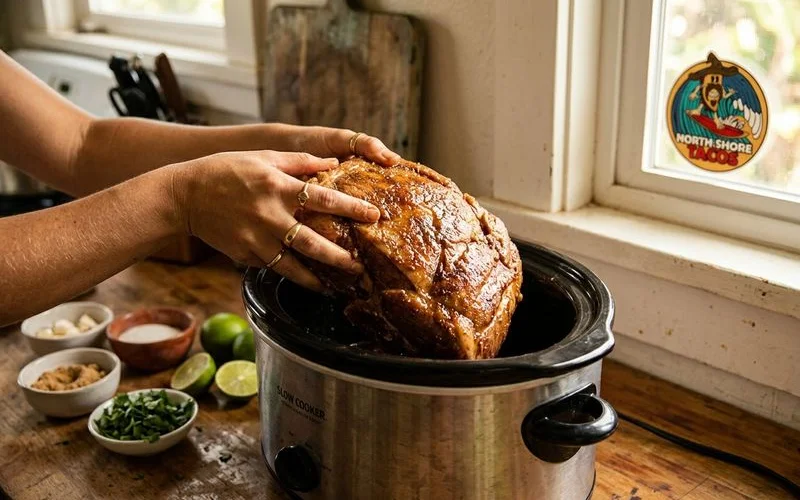
Our cooks rub the pork shoulder thoroughly with these dry spices before dropping it into the braising liquid. The meat then cooks for six to eight hours at a low heat. We watch as the sugar caramelizes around the edges, creating a sticky, savory crust while the inside stays soft.
The Slow Cook Process
Patience does the heavy lifting in this recipe, and no shortcut can replace actual time. We rely on basic cooking science, knowing that pork shoulder must reach an internal temperature between 190 and 205 degrees Fahrenheit. This specific heat range allows the tough collagen in the muscle to break down into silky gelatin.
Our prep crew starts preparing the meat the evening before it hits the serving line. The kitchen staff trims the shoulders, applies the rub, and sets the slow cookers just before closing the restaurant. We arrive the next morning to a building that smells absolutely incredible.
The Manual Shredding Technique
Cooks pull the hot roasts from the braising liquid and immediately shred them by hand. Our team avoids using forks or machine claws because manual shredding offers a massive quality control advantage. Cooks can physically feel for any tough pieces and easily discard the remaining fat cap.
We also use this manual process to mix the crispy, caramelized exterior bark evenly with the meltingly soft interior meat. Texture variation makes a massive difference in the final eating experience.
Perfecting the Final Glaze
We finish the preparation with one last, crucial step. The kitchen team tosses the shredded pork in a highly reduced, concentrated version of the original braising liquid.
Our finishing glaze coats every single strand of meat in glossy, aromatic flavor. The final product delivers a savory punch with a pronounced sweetness that never overpowers the palate.
Why It Works in Everything
Our menu relies on ingredients that can adapt to multiple different flavor combinations. Sweet pork acts as a brilliant canvas for the bright, acidic toppings prepared daily in the kitchen.
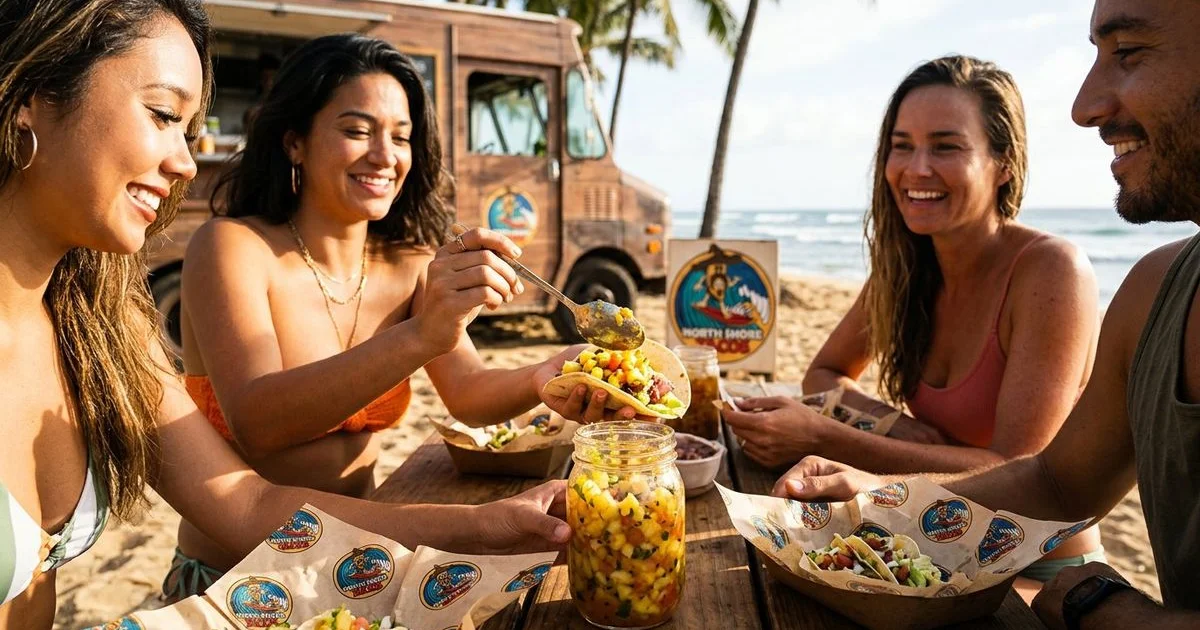
We love how the natural sweetness of the glaze contrasts perfectly with the sharp tang of fresh pineapple salsa. The bromelain enzyme and high acidity in fresh pineapple naturally cut through heavy, rich pork fat.
Our guests experience a balanced bite that never feels too greasy or heavy. This dynamic flavor interaction translates beautifully across several different formats.
| Menu Format | How the Pork Interacts | Best Pairing |
|---|---|---|
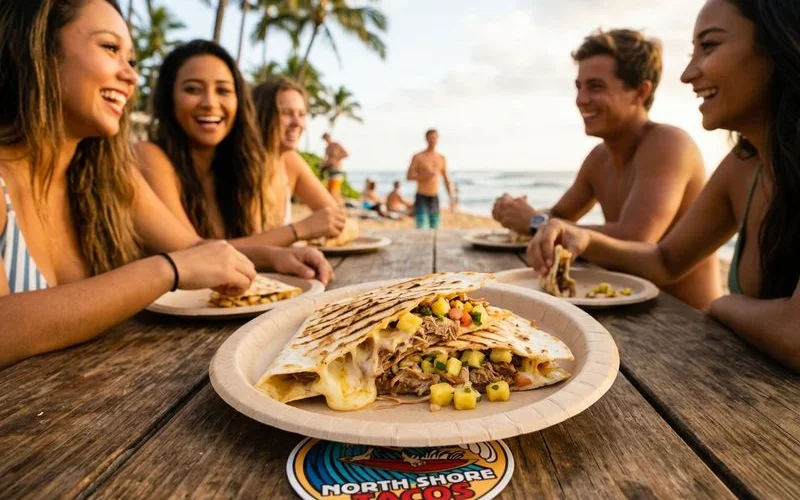
| The Quesadilla | The sugars in the glaze caramelize against the hot griddle, creating crispy edges mixed with gooey melted jack cheese. | Pineapple salsa on the side for dipping. |
| The Baja Tacos | The rich meat sits inside a warm tortilla and absorbs the citrus bite of fresh lime and pickled red onions. | A squeeze of lime and fresh cilantro. |
| The Gnarly Nachos | The sticky glaze mingles with melted cheese and multiple salsas over a bed of crunchy tortilla chips. | Signature Surf Sauce and guacamole. |
| The Burrito Bowl | The savory juices seep into our cilantro lime rice and slow-cooked pinto or black beans. | Pico de gallo and sour cream. |
We consider the quesadilla the absolute best vehicle for this specific protein. The contrast between the crispy tortilla, the sweet meat, and the salty cheese stops people mid-conversation. Our regulars often order it twice in one visit because the caramelized edges are so addictive.
Sweet Pork: The Secret Recipe Behind Our Most Popular Protein
The kitchen staff takes immense pride in every single item, but this pork recipe holds a permanent place of honor. Our flavor profile feels completely unique to the North Shore, standing apart from traditional Baja styles without copying anyone else’s fusion concept. Guests at Shark’s Cove immediately pull out their phones to photograph a loaded plate.
We keep the exact measurements and techniques strictly guarded inside the kitchen. The full manual has never been written down for public release. Our dedicated kitchen managers earn the right to learn the complete preparation only after years of loyal service.
The Final Verdict
Basic cooking science and honest ingredients create the real magic. We can confidently share that good pork shoulder, fresh spices, brown sugar, and a long overnight cook do the heavy lifting. A new customer should definitely start simple.
Our team highly recommends grabbing a sweet pork quesadilla with a side of fresh pineapple salsa to taste Sweet Pork: The Secret Recipe Behind Our Most Popular Protein for yourself. That bright salsa and crispy, cheesy wedge will explain exactly why this dish is famous. We promise that once you dip that crispy wedge into the salsa, the flavors will speak for themselves.