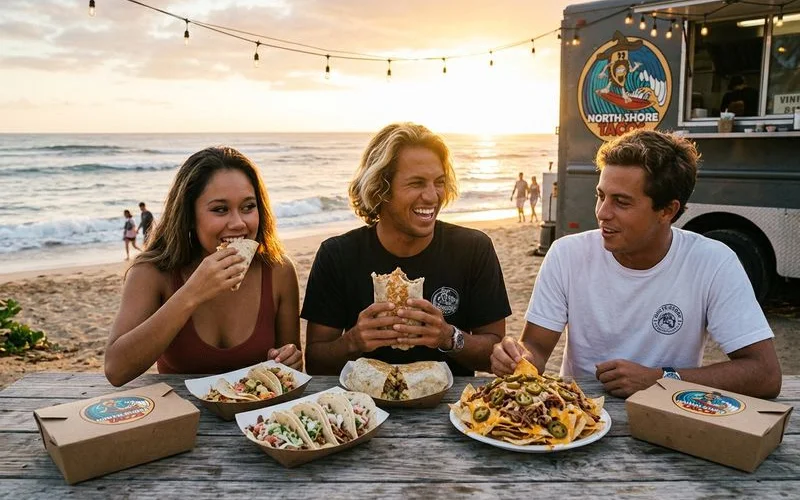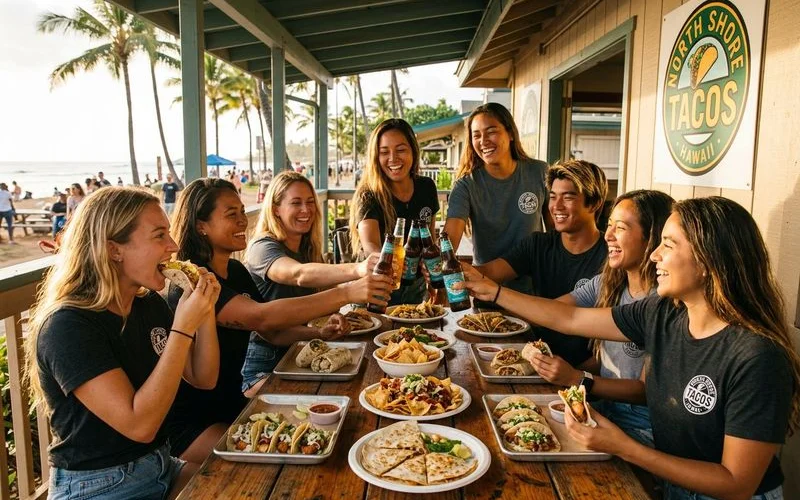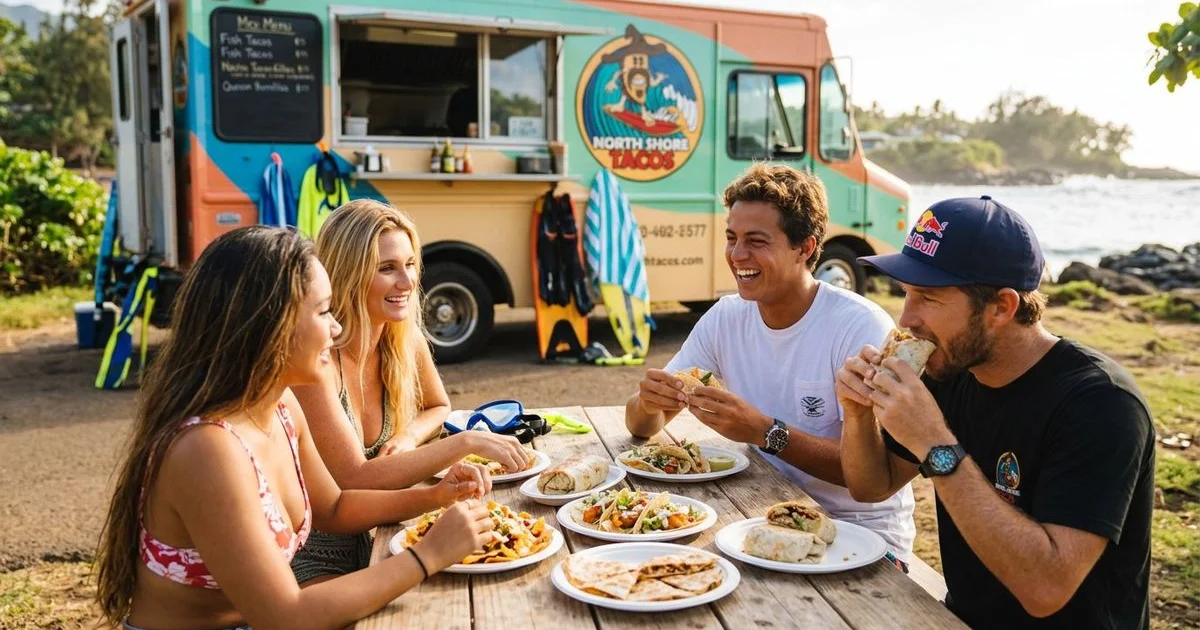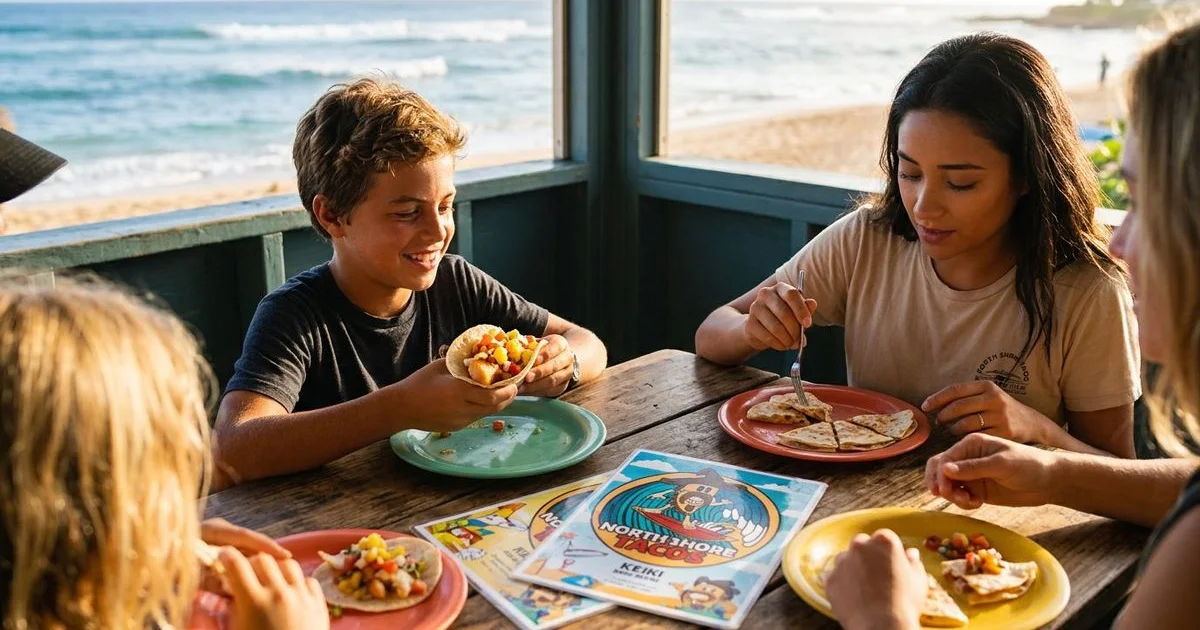
We see restaurants throwing around eco-friendly phrases every day, but the reality at the harbor often tells a completely different story. The gap between a menu promise and a commercial fishing net is usually wider than most people realize.
That disconnect is exactly why this topic demands a closer look.
Our primary focus here is Sustainable Seafood on the North Shore: Our Ocean-to-Table Commitment. Local food systems in the US face incredible pressure from global supply chains right now.
We plan to break down the exact methods local fleets use, share the data behind fish populations, and show you exactly how to support the community. Let’s examine the facts and explore practical ways to make better choices at the ordering window.
Sustainable Seafood on the North Shore: Our Ocean-to-Table Commitment
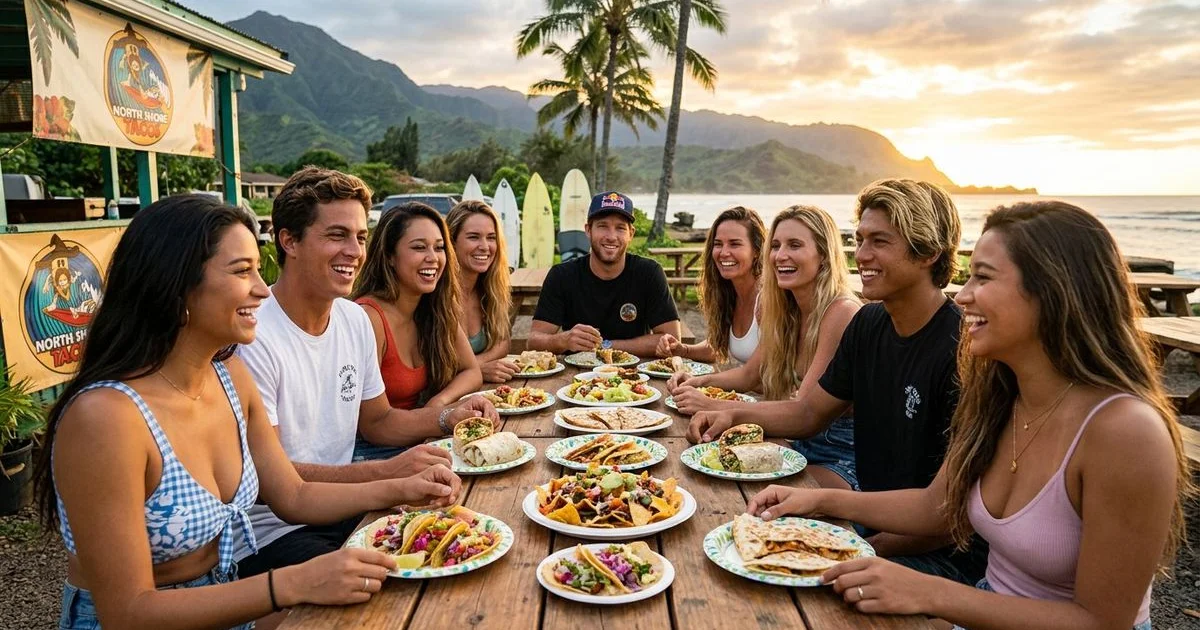
At North Shore Tacos, sustainability goes far beyond a simple marketing decision. High-quality Mexican cuisine relies heavily on fresh ingredients, and that standard dictates who supplies our kitchen. We treat this as an operational mandate that affects which species make the cut and how much product enters the fridge. The Pacific Ocean does not always cooperate with a printed menu, so adaptation is mandatory.
Living and working on Oahu makes the stakes of ocean conservation impossible to ignore. The water is the literal backyard and the cultural foundation of the community. Our daily conversations at the Haleiwa Small Boat Harbor revolve around shifting tides and changing fish populations.
“Declining catch rates are not abstract headlines for the US fishing industry. They are the daily reality discussed on the docks every single morning.”
Recent data from the National Oceanic and Atmospheric Administration (NOAA) highlights just how tight margins have become for the Hawaii commercial fishery. Fuel, ice, and bait now account for more than 54% of operating costs for the average local vessel. We know that getting this sourcing right matters for both the environment and the local economy. Supporting these independent operators ensures the harbor remains active and the food remains fresh.
Partnering With Local Fishermen
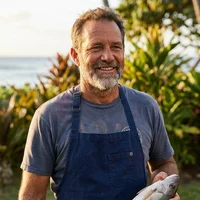
The absolute foundation of our sourcing strategy is a strict reliance on small-boat crews instead of large commercial longline operations. This specific choice has shaped our entire supply chain since the doors opened in 2010. We refuse to buy from anonymous wholesale distributors who store frozen catches for months. Independent captains operate very differently from the industrial fleets that supply most US seafood restaurants.
Our partners run small vessels with one or two people, relying almost entirely on troll-caught or hook-and-line methods. This targeted approach virtually eliminates bycatch, which is the accidental capture of non-target marine life. We prioritize these methods because they protect endangered sea turtles and marine mammals. Large nets and deep-set longlines create massive environmental problems across the Pacific.
To understand the difference, look at how troll-caught sourcing compares to conventional commercial distribution.
| Feature | Small-Boat (Troll-Caught) | Commercial Fleet (Longline) |
|---|---|---|
| Bycatch Risk | Near zero (hook-and-line targeting) | High (requires 7% NOAA observer coverage in 2026) |
| Time on Ice | 1 to 2 days maximum | Up to several weeks at sea |
| Supply Chain | Direct from captain to kitchen | Distributor warehouse storage |
| Economic Impact | 100% stays in the local economy | Profits diverted to corporate wholesalers |
Freshness directly impacts the flavor of every taco, but it also creates a completely transparent supply system. The fish arriving at the kitchen was swimming just hours prior. We currently work with a trusted handful of captains whose boats and methods are entirely familiar to the team. Mutual respect for the environment drives this partnership.
Species Selection and Seasonal Flexibility
Choosing the Right Catch
Selecting the proper species is the most critical conservation decision a restaurant makes. The waters around Oahu host an incredible variety of marine life, but many populations cannot handle heavy fishing pressure. We specifically target species classified as abundant and well-managed by the Western Pacific Regional Fishery Management Council. Mahi Mahi serves as the primary protein and the undisputed star of the menu.
Our preferred catch grows incredibly fast and reproduces early, making the population highly resilient. Peak abundance for this vibrant fish occurs between March and September in local waters. We rely heavily on these summer months when the fish are actively chasing sardines and mackerel. Ahi tuna also makes an appearance, sourced strictly from pole-and-line crews.
Working With the Tides
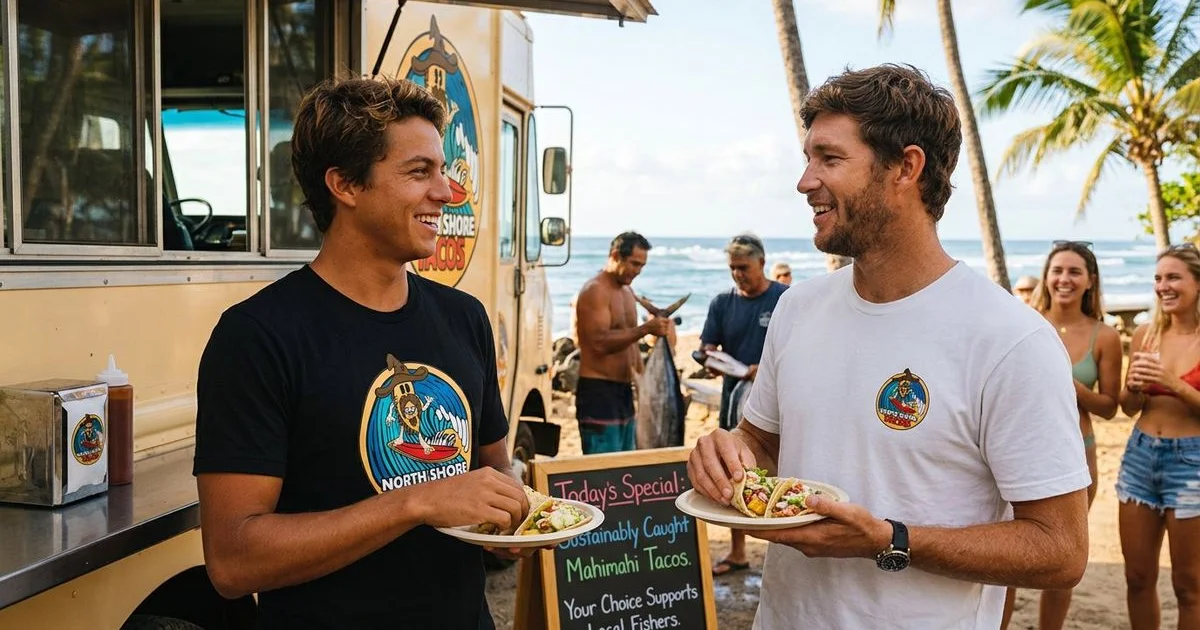
Ono, frequently called wahoo, hits the specials board only when the seasonal runs are strong. The entire concept revolves around seasonal availability rather than rigid demands. Some weeks bring massive hauls, providing more than enough fresh protein for the lunch rush. We adapt the menu instantly when weather patterns shift and the boats return with smaller yields.
The kitchen team views a sold-out dish as a mark of success rather than a failure. Adapting to natural limits proves that the business respects the ocean instead of fighting it. We never turn to frozen wholesale backups just to keep a specific item in stock. Guests genuinely appreciate this honest approach, and they love discovering new flavors through the daily specials.
Reducing Waste in the Kitchen
Ethical sourcing loses its value completely if a kitchen throws away usable ingredients. Waste reduction drives every prep shift and requires specific handling techniques. We purchase whole fish directly from the dock rather than ordering pre-cut, perfectly uniform fillets. Breaking down the catch in-house provides total control over how every single ounce is utilized.
Our kitchen yields about 50% premium fillet weight from a whole fish, which goes straight into the main dishes. The remaining portions require a bit of culinary creativity to maximize value. We take the perfectly fresh trim pieces and transform them into ceviche-style specials or hearty staff meals. Throwing away good food is simply not an option in a high-quality Mexican cuisine environment.
Even the leftover heads and bones serve a vital purpose in the local ecosystem. Organic farmers across the North Shore collect these nutrient-rich remnants to use as natural crop fertilizer. We coordinate our ordering daily based on exact demand forecasts to prevent any spoilage. Communicating directly with the captains prevents over-harvesting during slower tourist weeks.
Here are the standard practices that help maximize the harvest:
- In-house Butchery: Processing whole fish prevents distributor processing waste.
- Creative Trimming: Utilizing uneven cuts for ceviche ensures total meat usage.
- Community Composting: Donating bones provides valuable nitrogen to local agricultural projects.
- Dynamic Ordering: Adjusting daily purchases based on weather and foot traffic stops spoilage.
Supporting the Fishing Community
Ocean conservation requires protecting the human element just as fiercely as the marine life. Small-vessel operations face severe economic headwinds that make survival increasingly difficult in 2026. We watch independent operators struggle constantly against rising harbor fees, expensive equipment, and skyrocketing fuel prices.
A recent Pacific Islands Fisheries Science Center economic report paints a difficult picture for the US fleet. The data shows that after adjusting for inflation, average vessel profits recently dropped to around $44,000 annually. We pay above wholesale market rates to help combat these brutal economic realities. Providing a premium price is a baseline requirement for securing such exceptional quality and freshness.
Our financial commitment provides the stability these independent crews need to maintain their traditional methods. Paying a fair rate benefits the entire value chain, from the person pulling the line to the guest eating the taco. We value the direct feedback from our partners over any commercial certification plaque. Knowing that a reliable buyer keeps a family boat in the water means everything.
“A recurring message throughout the local industry is that supporting local fishers means more than buying local. It requires acknowledging the massive effort and heart that sustains the practice.”
The Bigger Picture
Operating a single food truck will not reverse the massive global overfishing crisis on its own. Yet, small businesses can spark meaningful changes by restructuring their supply chains. We believe that choosing ethical sourcing forces the broader food industry to rethink its relationship with natural resources.
Every single guest who learns about hook-and-line harvesting leaves with a new perspective on food sourcing. That localized awareness inevitably influences future dining choices and grocery purchases. Our ongoing mission involves constantly evaluating and improving these daily operational standards.
Here is how that awareness spreads:
- Customer Education: Conversations at the window change perspectives on seafood.
- Market Demand: Diners start expecting transparency from other establishments.
- Industry Accountability: Technologies like electronic monitoring become the expected standard.
The new 2026 industry transitions to electronic monitoring systems for commercial fleets prove that accountability is finally becoming a priority. We intend to stay ahead of that curve by maintaining total transparency at the local level. The Pacific Ocean literally feeds this community, and respecting that resource remains the only path forward.
Join the Movement
True ocean conservation starts with asking the right questions before you place an order. Small decisions at the lunch counter ripple outward to support families, protect marine habitats, and keep the food supply healthy. We invite you to taste the difference that responsible sourcing makes on your next visit.
The entire staff is ready to demonstrate the true value of Sustainable Seafood on the North Shore: Our Ocean-to-Table Commitment. Check out the daily specials board to see what the boats brought in this morning.